Lowering Springs vs. Coilovers
LOWERING SPRINGS VS. COILOVERS | WHICH AND WHY?
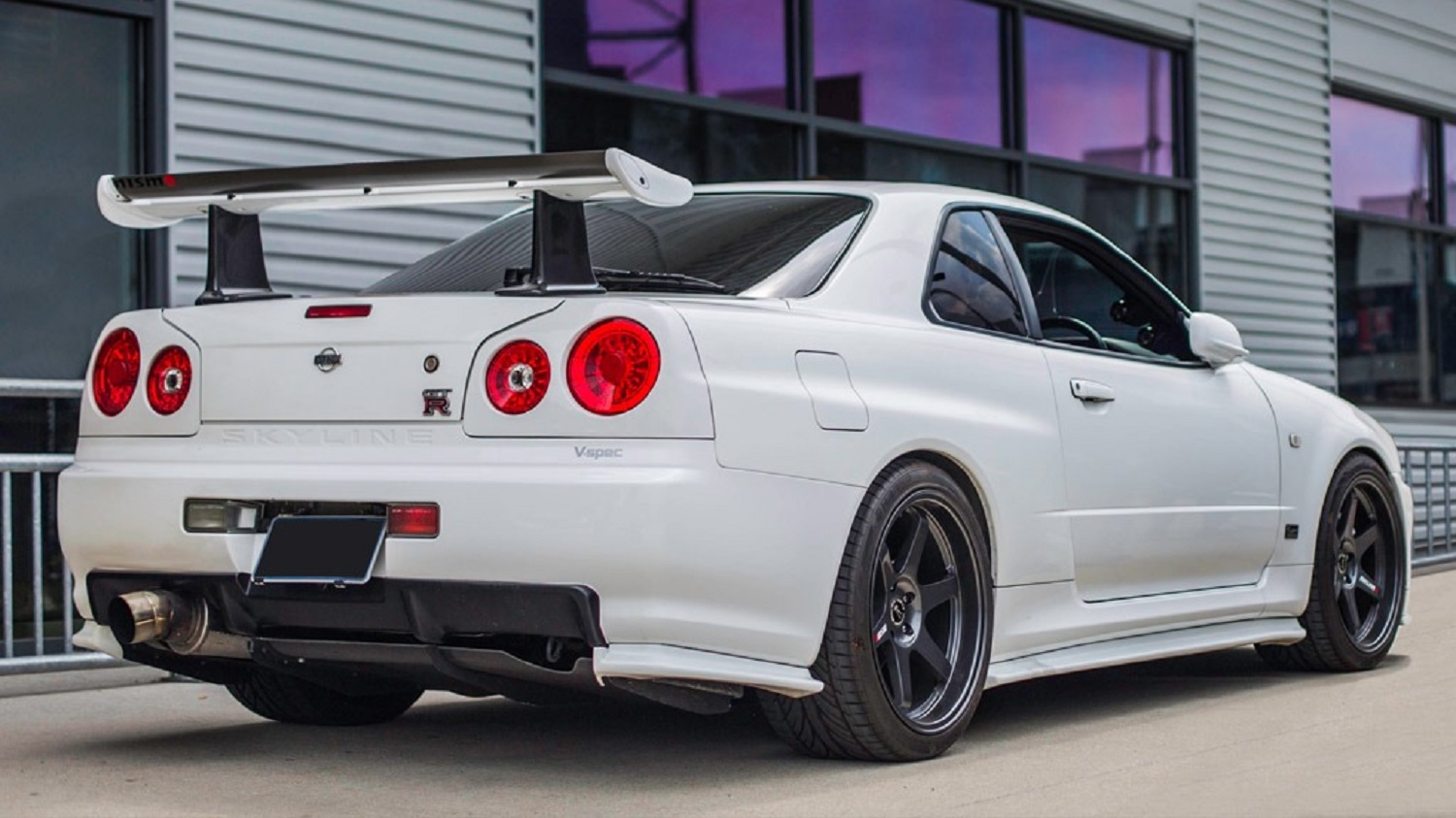
In the never-ending pursuit for style and performance, one of the main ways to increase both is by lowering your ride with coilovers or springs. Not only do lowered vehicles look more aggressive, but when you decrease your ride’s height a few inches you’re also increasing many of the handling benefits!
So, what are the differences between lowering springs and coilovers? Quite a few. While lowering springs and coilovers both serve generally the same purpose of making your car lower, they achieve this in very different ways and provide noticeably distinct handling characteristics. But with a side-by-side comparison and by answering some simple questions, you’ll be better able to determine which route is right for you.
WHAT ARE LOWERING SPRINGS?
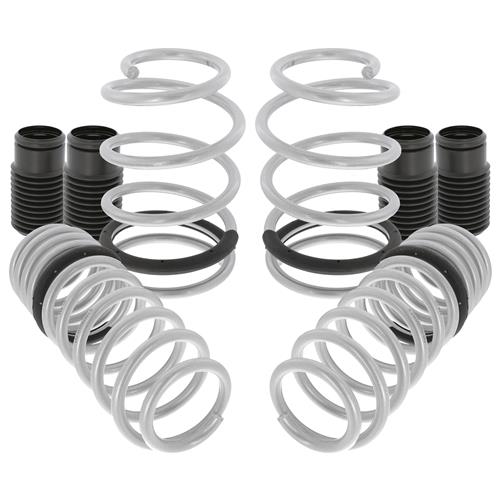
Let’s start with the simpler of the two: lowering springs. Like your factory springs, lowering springs are made to support the weight of the vehicle and fit nicely in place of the originals with little to no modification necessary. Simply remove the old springs and swap in the new.
But that’s about where the similarities end. Otherwise, what would even be the point of upgrading to lowering springs?
First of all, lowering springs are physically shorter than OEM springs, so your vehicle sits lower to the ground as a result. But of course, as with most things when modifying a car, there’s a tradeoff. Spring rates are measured in pounds per inch, so a spring that’s shorter than stock must have a higher spring rate to compensate and still support the same amount of vehicle weight. The downside of this is that with a firmer spring, the ride quality likely will become harsher. But in the world of performance driving, the benefits often outweigh the drawbacks. First, by lowering your center of mass, your handling and stability will improve. Combining this with a higher spring rate results in less body roll to keep your car flat and composed during cornering. For the enthusiast, this is often a very acceptable price to pay for the increase in cornering ability.
WHAT DO LOWERING SPRINGS PROVIDE?
Better handling, more stability, less body roll for those sharp corners. These are just a few things lowering springs can do for your car. Here are some others:
- A cost-effective way of lowering your vehicle.
- Better handling in corners.
- Compatibility with existing parts.
- Preset spring rates – no adjustments to make after installation.
- Preset ride height – not able to be raised or lowered.
- Available in linear or progressive spring rates.
WHAT ARE COILOVERS?
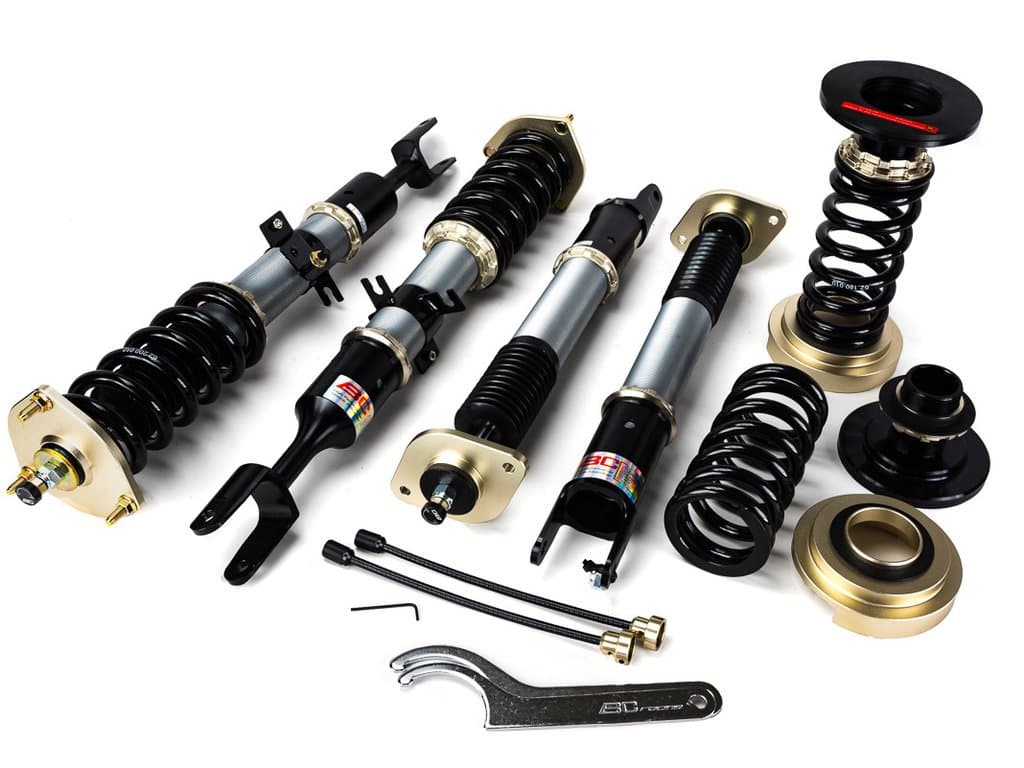
While lowering springs are built to be friendly with the factory equipment - not needing to replace the whole strut assembly – coilovers are a whole different animal. While they may look somewhat similar to a typical strut & spring, they aren’t. With coilovers, your vehicle’s entire shock/strut and spring combination are replaced with matched performance dampers and springs. Unlike lowering springs, coilovers offer a much greater range of adjustability, including ride height, spring pre-load, shock damping, and rebound.
Coilovers allow you to fine-tune each corner independently for the ultimate in vehicle balance and control. Typically, coilover sets feature even stiffer spring rates than a set of lowering springs alone, again sacrificing ride quality for cornering performance. It is possible to swap to springs with different spring rates for an even greater range of adjustment and tuning. Unfortunately, these extra features come at a cost – money.
WHAT DOES A COILOVER PROVIDE?
You know what is it, but what does a coilover do? In short? A lot. Comparable to lowering springs, yet much more intricate. Here’s just a few of those things:
- Adjustable ride height.
- Adjustable damper settings.
- Adjustable rebound settings.
- Firmer spring rates than lowering springs alone.
- Ability to swap to firmer/softer springs.
- Matched damper & spring combinations.
- Interchangeability of parts – can replace springs, dampers, perches, pillow ball top mounts, and more independently of other components in the system.