Hub Centric Vs Lug Centric Wheels: The Ultimate Guide
When it comes to choosing wheels for your vehicle, there are a lot of options to consider. One crucial factor that many people overlook is the type of wheel-centering method: hub-centric or lug-centric. Understanding the differences between these two methods can help you make an informed decision about which type of wheels to choose. In this blog, we will delve deep into the world of hub-centric and lug-centric wheels and discuss their dynamics in OEM and aftermarket settings.
We'll also explore the role of hub-centric rings, wheel spacers, and how to prevent unnecessary vibrations during installation. Whether you're a car enthusiast or just looking for new wheels for your vehicle, this ultimate guide will provide you with all the information you need to make an informed decision.
Understanding Hub-Centric and Lug-Centric Wheels
When it comes to wheels, hub-centric and lug-centric are the two primary types available. Hub-centric wheels offer a more balanced fit, which results in a smoother ride by reducing vibration. In contrast, lug-centric wheels depend on the wheel lugs and lug nuts for centering, which can lead to safety concerns and vibration issues. The weight distribution of hub-centric wheels is even, which minimizes stress on the wheel studs. On the other hand, lug-centric wheels place the weight-bearing responsibility solely on the lug nuts, potentially causing the studs to stretch or break over time. Hub-centric wheels are designed so that the wheel's center bore matches the hub diameter, ensuring a precise fit for optimal performance. While both types of wheels have their benefits, hub-centric wheels are generally considered superior due to their superior weight distribution and precision fitment.
The Dynamics of OEM and Aftermarket Wheels
When it comes to choosing wheels for your vehicle, there are two options available: OEM and aftermarket. OEM wheels are designed and manufactured by automakers to ensure they fit perfectly, made for the weight of the vehicle, and perform optimally. In contrast, aftermarket wheels offer a wider variety of styles, sizes, and finishes that allow for customization. While OEM wheels are engineered to meet weight, torque, and lateral force requirements, aftermarket wheels may require additional considerations like offset, center bore, and lug pattern to fit correctly.
OEM wheels prioritize reliability, safety, and maintaining original specifications. They provide a perfect balance of performance and aesthetics while ensuring that the vehicle operates as intended. On the other hand, aftermarket wheels allow for personalization based on individual preferences and needs. They offer a wide range of designs that can enhance the visual appeal and performance of the vehicle.
Ultimately, choosing between factory wheels or aftermarket wheels depends on what is most important to the owner. If reliability and safety are top priorities or you want to maintain your car's original specifications, then OEM wheels are the way to go. But if you prefer customization options or want a unique look for your vehicle, then aftermarket wheels may be a better choice.
How does Element Wheels fit into the context of aftermarket wheels?
Element Wheels is a trustworthy retailer that specializes in providing customers with an extensive range of aftermarket wheels. Our inventory encompasses several brands, styles and fitment options, providing customers with a wide variety to choose from. We offer expert guidance and support to help customers select the perfect wheels for their vehicle. We also prioritize customer satisfaction by ensuring proper fitment, convenience, cost savings and exceptional service.
Customers can trust Element Wheels as we commit to providing quality products and services while prioritizing customer care. Additionally, we offer competitive pricing for our products and services without compromising quality. Our dedication to excellence has helped us establish ourselves as a leading retailer in the aftermarket wheel industry. With our reputation for reliability, customers can confidently invest in our products, knowing they are making a wise choice.
Role of Hub-Centric Ring Wheel in Wheel Installation
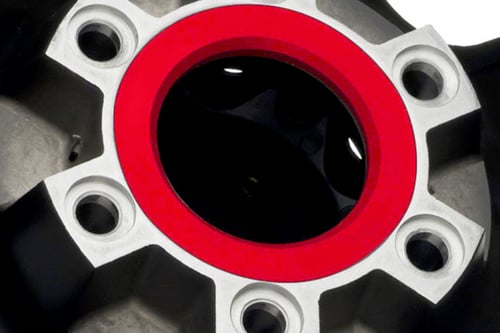
Hub-centric rings play a crucial role in wheel installation. These spacers ensure a snug fit between the wheels and the hub, minimizing vibration and enhancing stability. By filling the gap between the wheel's center bore and the hub, hub-centric rings create a hub-centric fitment, which is essential for optimal performance. Made with high-quality materials, hub-centric rings offer durability and reliability.
How Can Unnecessary Vibration Be Prevented with the Right Wheels?
The importance of selecting the right wheels to prevent unnecessary vibration cannot be overstated. Opting for hub centric wheels is one way to ensure a smooth and comfortable ride. Proper fitment is also critical, as ill-fitting wheels can cause vibrations even if they are balanced correctly. Hub centric rings can be used to make a wheel hub centric that is not already. It is important to regularly balance both wheels and tires, as imbalances can lead to uncomfortable vibrations while driving. Finally, regular maintenance of your vehicle's suspension system and wheel components can help identify and fix any vibration issues before they become a major problem. By following these steps, you can enjoy a comfortable and vibration-free driving experience.
Conclusion
When selecting between hub-centric and lug-centric wheels, it is crucial to consider factors such as safety, stability, and ease of installation. Hub-centric wheels provide a more secure fit, reducing the risk of vibrations and ensuring optimal performance. In contrast, lug-centric wheels may require the use of hub-centric rings or wheel spacers to achieve a proper fit.
The choice ultimately depends on your specific needs and preferences. If you want aftermarket wheels, Element Wheels is a reliable provider that offers a vast selection of high-quality options from Ford to Toyota and everything in between. By choosing the right wheels for your vehicle, you can enhance its appearance, handling, and overall driving experience.
However, it's important to note that other factors like load capacity, wheel size, and offset also play a significant role in determining which type of wheel is best suited for your vehicle. It's recommended that you consult with an expert before making any decisions on purchasing new wheels.
Furthermore, it's essential to ensure that the chosen wheels are compatible with your car's make and model. This will help avoid any issues with fitment or performance in the long run. In conclusion, taking into account all these considerations will help you choose the best wheels for your vehicle and elevate your driving experience to new heights.